Conventional loans
What Is a Conventional Loan and How Does It Work for Minnesota Homebuyers?
By Chad Krueger
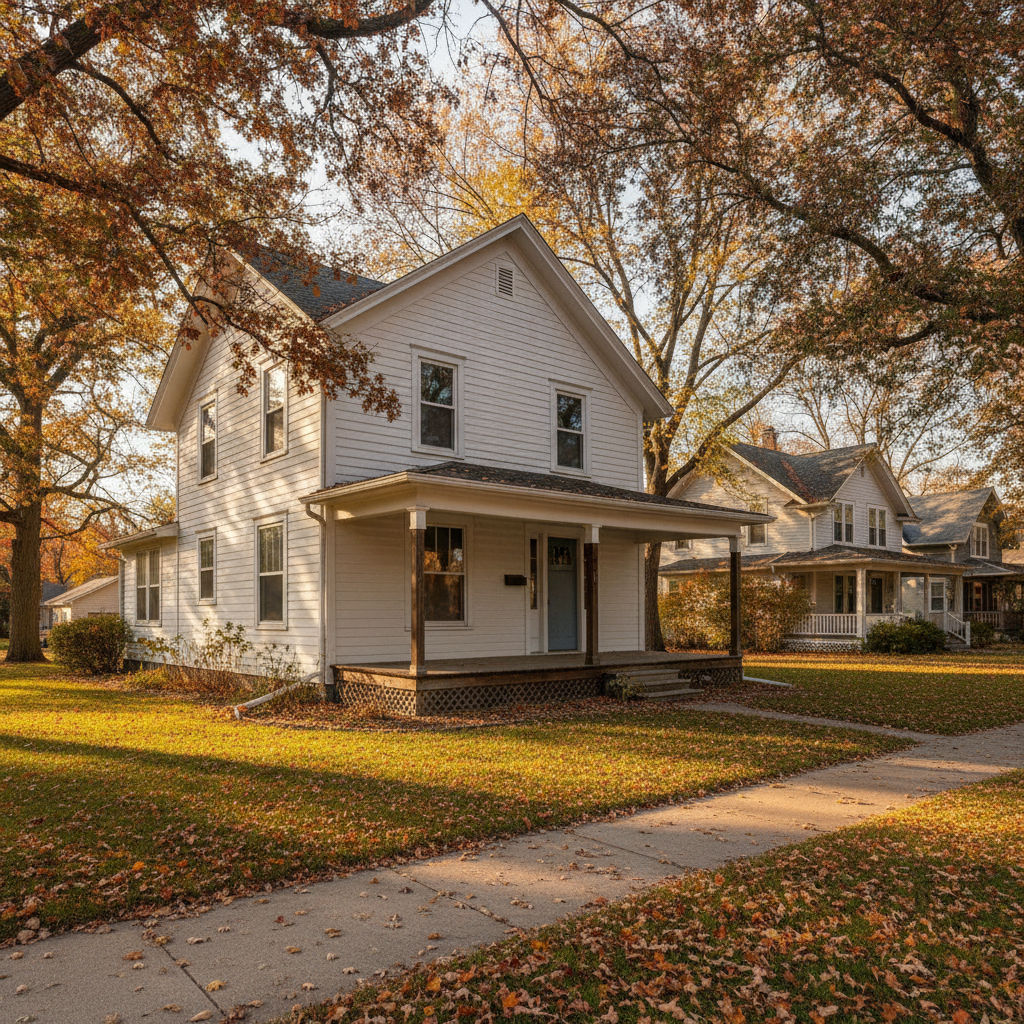
A conventional loan is a mortgage that is not government-backed, meaning it does not carry insurance or a guarantee from agencies like the FHA, VA, or USDA. It is the most common type of home loan, and for many Minnesota homebuyers it offers a clear path to ownership with down payments starting as low as 3% for qualified buyers and the ability to drop private mortgage insurance once you build enough equity.
If you have been comparing loan options and wondering whether a conventional mortgage fits your situation, here is a straightforward look at how these loans work in the Twin Cities market.
What Is a Conventional Loan and What Does "Conforming" Mean?
A conventional loan is any mortgage that is not insured or guaranteed by a federal agency. The most common type of conventional loan is a conforming loan, which means it follows the guidelines set by Fannie Mae and Freddie Mac. These two government-sponsored enterprises buy loans from lenders on the secondary market, and in order for a loan to be eligible for that purchase, it has to meet their standards for credit, income documentation, and loan size.
The conforming loan limit for 2026 is $832,750 for a single-family home. In Minnesota, that limit applies statewide because the Twin Cities metro and greater Minnesota are not designated as high-cost areas. A loan amount at or below that threshold that also meets Fannie Mae or Freddie Mac underwriting guidelines is considered a conforming conventional loan.
If you need to borrow more than $832,750, you would be looking at a jumbo loan, which is a separate product with its own qualification requirements.
Down Payment Options Start Lower Than Many Buyers Expect
One of the most common questions about conventional loans is how much you need to put down. Many buyers assume the answer is 20%, but that is not the minimum. Qualified buyers can put as little as 3% down on a conventional loan through programs like Fannie Mae's HomeReady and Freddie Mac's Home Possible, both of which are designed for borrowers who meet certain income guidelines.
A 3% down payment on a $395,000 home, which is close to the current Twin Cities median sale price, comes out to $11,850. That is a significant difference from the $79,000 that a 20% down payment would require on the same home.
Putting less than 20% down does mean you will pay private mortgage insurance, but as you will see in the next section, that cost is not permanent.
How PMI Works and Why It Drops Off
Private mortgage insurance, or PMI, is required on conventional loans when the down payment is less than 20%. PMI protects the lender if the borrower stops making payments. It adds to your monthly housing cost, but the key advantage of PMI on a conventional loan is that it is removable.
Once you reach 20% equity in your home, whether through payments, appreciation, or a combination, you can request that your servicer cancel PMI. Under the Homeowners Protection Act, the servicer is required to automatically terminate PMI once you reach 22% equity based on the original value of the home, assuming you are current on payments.
This is one of the biggest practical differences between a conventional loan and an FHA loan. On an FHA loan, if you put less than 10% down, the mortgage insurance premium stays for the life of the loan. It does not drop off at 20% equity the way conventional PMI does. Over the years, that ongoing cost adds up.
If you want a deeper look at how FHA loans work and where they make sense, we covered that in detail last week: What Is an FHA Loan and How Does It Work for Minnesota Homebuyers?
Conventional vs. FHA: Which Loan Fits Your Situation?
Both conventional and FHA loans are solid options, and the right choice depends on your financial picture. Here is how they compare on a few key points:
Down payment: Conventional loans go as low as 3% for qualified buyers. FHA loans require a minimum of 3.5% down.
Mortgage insurance: Conventional PMI can be removed at 20% equity. FHA mortgage insurance stays for the life of the loan if you put less than 10% down.
Conforming loan limit: The 2026 conventional conforming limit is $832,750. FHA has its own loan limits, which vary by county.
Who it may fit: A conventional loan often works well for buyers with solid credit and stable income who want the flexibility to drop mortgage insurance over time. An FHA loan can be a good fit for buyers who need more room on credit requirements or who have a smaller savings cushion.
Neither loan type is better across the board. The right answer depends on your down payment, your credit profile, and how long you plan to stay in the home. A conversation with a local loan officer can help you compare the real numbers side by side.
2026 Conforming Loan Limits and What They Mean for Minnesota Buyers
The 2026 conforming loan limit of $832,750 applies to single-family homes across Minnesota. That limit determines the maximum loan amount a conventional conforming mortgage can carry. For the Twin Cities metro, where the median sale price in September 2026 was $395,000, most buyers will fall well within that limit.
The conforming limit matters because loans that stay within it generally have more competitive terms than jumbo loans, which sit above the limit and carry their own underwriting standards.
If you are buying in a higher price range and need to borrow above $832,750, it is worth talking through your options early in the process so you understand how the loan structure may differ.
Frequently Asked Questions
What is the minimum down payment for a conventional loan?
Qualified buyers can put as little as 3% down on a conventional loan. Programs like Fannie Mae HomeReady and Freddie Mac Home Possible are designed for borrowers who meet certain income guidelines and allow that lower down payment.
What is the difference between a conventional loan and an FHA loan?
A conventional loan is not backed by a government agency, while an FHA loan is insured by the Federal Housing Administration. One of the biggest practical differences is mortgage insurance: conventional PMI can be removed at 20% equity, but FHA mortgage insurance stays for the life of the loan if you put less than 10% down.
How do I get rid of PMI on a conventional loan?
You can request PMI removal once you reach 20% equity in your home. Your servicer is required to automatically cancel PMI at 22% equity based on the original property value, as long as you are current on your payments.
What are the 2026 conforming loan limits in Minnesota?
The 2026 conforming loan limit is $832,750 for a single-family home. This limit applies across all of Minnesota, including the Twin Cities metro area.
Is a conventional loan a good choice for first-time homebuyers?
It can be. With down payments starting at 3% for qualified buyers and the ability to remove PMI over time, a conventional loan is worth considering even if this is your first home purchase. The best way to know is to sit down with a loan officer and compare your options based on your specific situation.
Ready to find out which loan fits your situation? Call Chad Krueger at 612-382-8792 to walk through your options and see what your monthly payment could look like.
All loans subject to approval. Equal Housing Lender.