FHA loans
What Is an FHA Loan and Is It a Good Fit for Minnesota Homebuyers?
By Chad Krueger
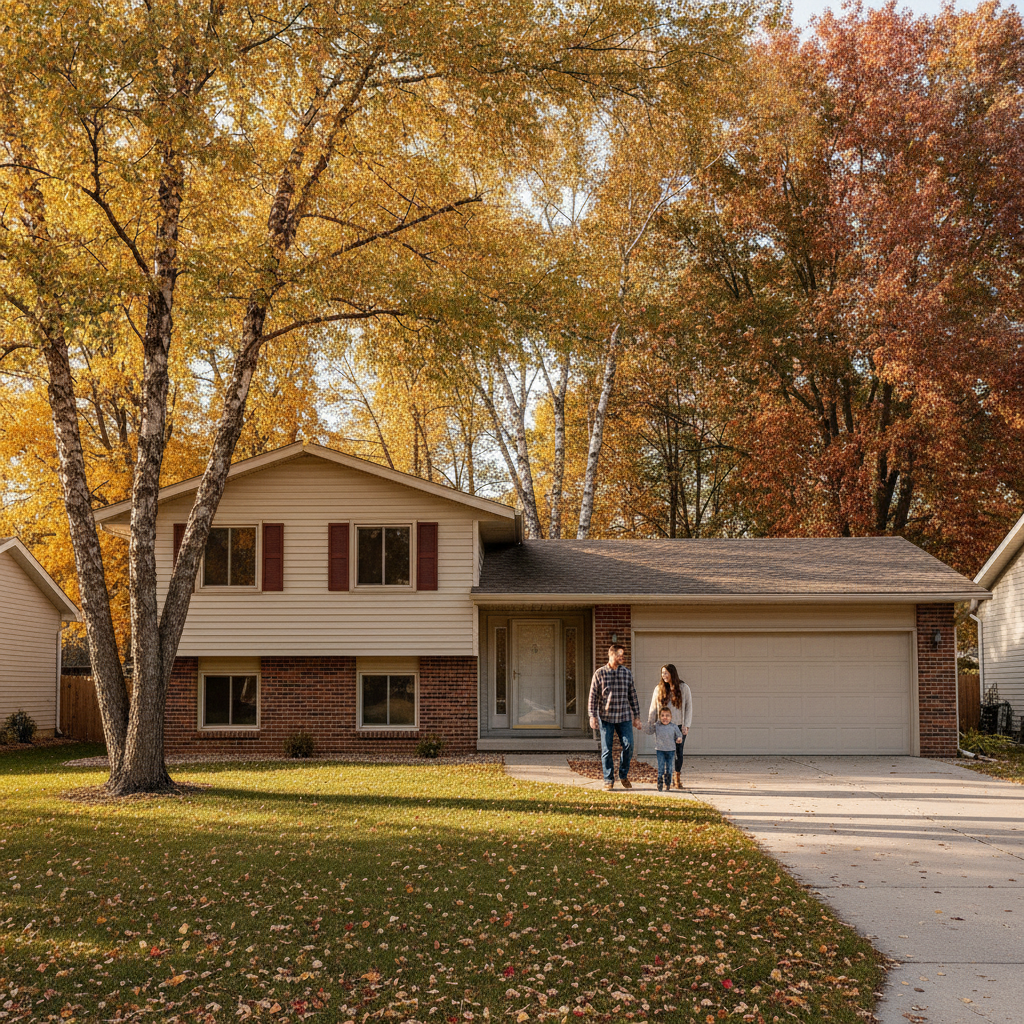
An FHA loan is a government-insured mortgage backed by the Federal Housing Administration that lets buyers purchase a home with as little as 3.5% down. On a home at the Twin Cities median sale price of $404,000, that comes out to roughly $14,140 out of pocket. With Twin Cities active inventory up 13.1% year over year to 12,636 homes and the median sale price holding at $404,000, buyers who have been sitting on the sidelines have more options and FHA is one of the most practical ways to get started with less cash upfront.
The program is not limited to first-time buyers. If you have been through the process before and want to keep your upfront costs low on the next home, FHA is still on the table.
How the FHA Down Payment Works
The minimum down payment on an FHA loan is 3.5% of the purchase price, provided the borrower has a credit score of 580 or higher. On a home at the Twin Cities median of $404,000, that is roughly $14,140 out of pocket. That is meaningfully less than the 5% or more that many conventional loan programs require, and it is one of the main reasons FHA remains popular with buyers in the Minnesota market.
FHA loans are not limited to first-time buyers. Repeat buyers, move-up buyers, and anyone who meets the program requirements can use an FHA loan. The down payment can come from savings, a gift from a family member, or an approved down payment assistance program.
FHA Mortgage Insurance: What It Costs and How Long It Lasts
Every FHA loan carries mortgage insurance. There are two parts: an upfront mortgage insurance premium paid at closing and a monthly mortgage insurance premium added to your payment.
Every FHA loan with less than 10% down carries mortgage insurance for the life of the loan. That is the key trade-off. You get in with less money upfront, but the insurance premium stays as long as you have that loan.
If you put 10% or more down, the monthly premium drops off after 11 years.
With a conventional loan, private mortgage insurance (PMI) can typically be removed once you reach 20% equity. That difference matters over time. If you plan to stay in the home long enough to build equity, and you have the option to put 20% down, a conventional loan may cost less in the long run because you can eventually drop the insurance entirely.
FHA Loan Limits in Minnesota
The national FHA loan limit floor for a single-unit property in 2026 is $541,287. That figure is calculated as 65% of the $832,750 conforming loan limit set by FHFA. County-specific FHA limits can be higher in areas where home prices exceed the national floor.
The Twin Cities median sale price of $404,000 falls well within the national floor, so most buyers in this market will not run into the FHA limit as a barrier. For buyers looking at higher-priced properties, checking the county-specific limit is a straightforward step that Chad can help with.
FHA vs. Conventional: Which One Fits Better?
The right choice depends on what you bring to the table and how long you plan to keep the loan.
A conventional loan may be the stronger choice if you can put 20% down and skip mortgage insurance entirely, or if you expect to build equity quickly and want the option to drop PMI later. Conventional loans also tend to have more flexibility on property types and fewer restrictions on the condition of the home.
FHA tends to work better when you want to keep upfront costs low and are comfortable with the ongoing mortgage insurance premium. The 3.5% minimum down payment is lower than what most conventional programs require, and the credit requirements are generally more flexible.
There is no single answer that fits every buyer. Chad can run the numbers side by side for any home you are considering and show you the monthly payment, total insurance cost, and the breakpoint where one option pulls ahead of the other. To schedule a short mortgage planning conversation, reach out to Chad at Chad@MinnTrust.com (mailto:Chad@MinnTrust.com) or call 612-382-8792. That conversation is free and it gives you a real number to work with.
All loans subject to approval. Equal Housing Lender.
Frequently Asked Questions
What is the minimum down payment on an FHA loan?
The minimum down payment on an FHA loan is 3.5% of the purchase price. That applies nationwide. On a home at the Twin Cities median of $404,000, that comes to roughly $14,140.
What are the FHA loan limits in Minnesota for 2026?
The 2026 national FHA loan limit floor for a single-unit property is $541,287, which is 65% of the $832,750 conforming loan limit. County-specific limits can be higher in areas where home prices exceed the floor. The Twin Cities median of $404,000 falls well within the national floor.
How long do you pay FHA mortgage insurance?
If you put less than 10% down, the monthly mortgage insurance premium lasts for the life of the loan. If you put 10% or more down, it drops off after 11 years. There is also an upfront premium paid at closing regardless of down payment amount.
Is an FHA loan only for first-time homebuyers?
No. FHA loans are available to first-time and repeat buyers. There is no requirement that you be purchasing your first home to use the program.
Should I choose FHA or conventional?
FHA allows as little as 3.5% down but carries mortgage insurance for the life of the loan when less than 10% is put down. Conventional loans allow PMI removal at 20% equity, which can save money over time. If keeping upfront costs low is the priority, FHA is worth considering. If you can put more down and want the insurance to come off sooner, conventional may be the better path. Chad can run the comparison for your specific situation.