USDA loans
USDA Home Loans in Minnesota: No Down Payment for Eligible Suburban Buyers
By Chad Krueger
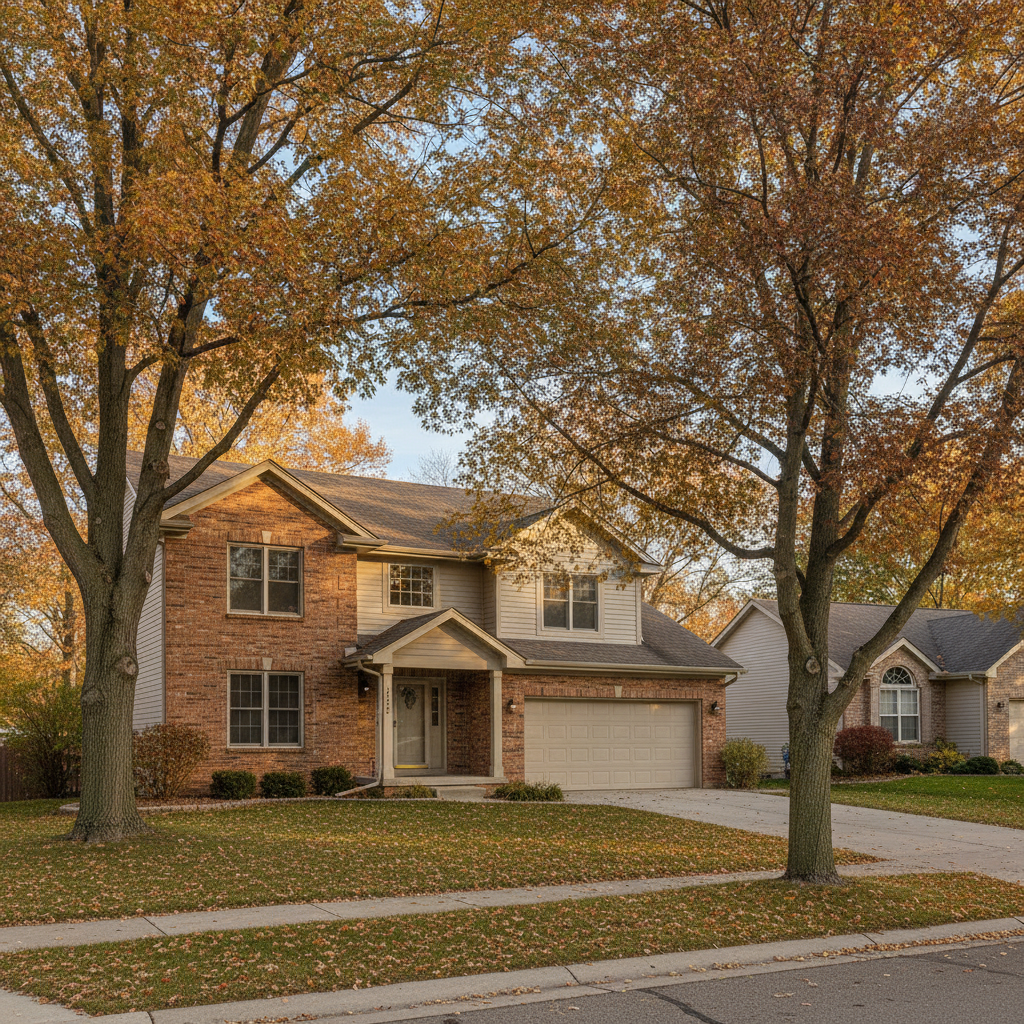
USDA home loans allow qualified buyers in eligible areas to purchase a home with no down payment. Parts of the Twin Cities outer ring, including portions of Scott County and Carver County, are USDA-eligible. If you are looking at a home in the South Metro and wondering whether a no-down-payment option exists, Chad can tell you in minutes whether that address qualifies.
The program is not just for farmland. Many buyers in suburban Minnesota communities they already have in mind are surprised to find their address on the eligibility map.
What Is a USDA Home Loan?
A USDA home loan is a mortgage backed by the U.S. Department of Agriculture's Rural Development program. Despite the name, it is not limited to farms or agricultural land. The program was designed to support homeownership in rural and certain suburban communities, and eligibility is based on geography and household income, not on what is on the land.
The USDA does not lend money directly. A lender like MinnTrust Mortgage originates the loan, and the USDA guarantees a portion of it. That backing allows lenders to offer no-down-payment financing to buyers who meet the program's requirements.
There are two main USDA loan types: the Guaranteed Loan Program, which works through approved private lenders, and the Direct Loan Program, which is issued directly by USDA for lower-income borrowers. Most buyers working with a local mortgage originator will be using the Guaranteed Loan Program.
Which Areas of Minnesota Qualify for a USDA Loan?
Eligibility is determined by the USDA's property eligibility map, which is updated periodically. The map draws boundaries that generally follow population density guidelines, and it does not track with what people typically think of as "rural."
In Minnesota, USDA-eligible areas include large portions of greater Minnesota and extend into communities within the Twin Cities metro's outer ring. Scott County communities, parts of Carver County, portions of Wright County, and areas in the farther Dakota and Washington County suburbs have historically included eligible addresses. That said, eligibility maps change, and city limits, recent growth, and population updates all affect what the map shows at any given time.
The correct way to check a specific address is through the USDA's online eligibility tool at eligibility.sc.egov.usda.gov (link). Type in the property address and the map will tell you whether it falls in an eligible area. This is the authoritative answer. Chad can walk you through it during a preapproval conversation.
What Do Income Limits Mean for a USDA Loan?
USDA loans are designed for buyers whose household income falls within limits set by the program. The limits vary by county and by household size, and the USDA adjusts them periodically.
A few things worth understanding about how income limits work:
First, the limit applies to the entire household, not just the borrowers on the loan. If others in the household earn income, that counts.
Second, the income limits for the USDA Guaranteed program are set at a moderate-income level. These are not low-income-only limits. Many working families in the Twin Cities metro area with stable employment find themselves comfortably within the limits.
Third, income limits and credit qualification are separate questions. Meeting the income limit means you are in the eligible range for the program. It does not tell you how large a loan you qualify for, what your rate will be, or how your credit history will factor in. Those are lender-qualification questions.
Because the income limits are set by county and household size and are updated by USDA on its own schedule, exact current figures require verification from the USDA Rural Development income eligibility tool. Ask Chad for the current figures for your county and household size; he can look them up with you.
How the USDA Guarantee Fee Compares to PMI
USDA loans do not require private mortgage insurance (PMI). Instead, the program uses a guarantee fee structure that accomplishes a similar function, funding the program and protecting the lender.
The USDA guarantee fee has two parts:
An upfront guarantee fee, paid at closing or financed into the loan amount.
An annual fee, paid as part of your monthly mortgage payment.
The key difference from PMI is that these fees are set by the USDA program, not by a private insurer responding to your specific risk profile. PMI rates on a conventional loan depend on your loan-to-value ratio and credit score and can vary considerably. The USDA annual fee applies at a program rate to all qualifying loans.
For buyers comparing a USDA loan to a conventional loan with PMI, the monthly payment math depends on the specific fee amounts and the purchase price. What matters for the comparison: the USDA annual fee is typically lower than the PMI a conventional buyer would pay on a purchase with less than 20 percent down, and USDA requires no down payment to begin with.
To schedule a short mortgage planning conversation and get a side-by-side monthly payment comparison using current fee figures for any home you are considering, reach out to Chad at Chad@MinnTrust.com (mailto:Chad@MinnTrust.com) or call 612-382-8792. That conversation is free and it gives you a real number to work with.
All loans subject to approval. Equal Housing Lender.
Frequently Asked Questions
Which Minnesota suburbs qualify for USDA loans?
The eligibility map includes parts of the Twin Cities outer ring, including areas in Scott County, Carver County, Wright County, and portions of Dakota and Washington Counties. Specific address eligibility can change as the USDA updates its maps. The only accurate answer for a given property is to check it on the USDA eligibility map at eligibility.sc.egov.usda.gov (link), or ask Chad to check during preapproval.
What are the income limits for a USDA loan in Minnesota?
Income limits vary by county and household size and are updated periodically by the USDA. They apply to total household income, not just the income of the borrowers on the loan. The limits are set at a moderate-income level, and many working families in the Twin Cities metro area qualify. For current figures specific to your county and household size, contact Chad or check the USDA Rural Development income eligibility tool.
Do USDA loans require a down payment?
No. USDA home loans allow eligible buyers to purchase a home with no down payment. This applies to both the USDA Guaranteed Loan Program and the Direct Loan Program. The home must be in an eligible area and the buyer must meet the income and qualification requirements.
How long does a USDA loan take to close in Minnesota?
USDA Guaranteed loans close on a timeline similar to other government-backed loans. The additional step in a USDA transaction is that the lender submits the file to USDA for a final eligibility determination, which adds time compared to a conventional loan. The specific timeline depends on the lender's process, USDA's current volume, and how complete the borrower's file is at submission. Asking your lender upfront about their experience with USDA transactions in Minnesota is a reasonable question.
Can I use a USDA loan to buy a house in Lakeville or Savage?
Parts of Savage and other Scott County communities have historically had USDA-eligible addresses, though eligibility can change with map updates. Lakeville is a larger city, and portions may or may not be eligible depending on current map boundaries. The definitive answer for any specific property is the USDA eligibility map. Chad can check any address during a preapproval conversation.