Homebuying process
What a Mortgage Rate Lock Is, and When It Makes Sense to Lock
By Chad Krueger
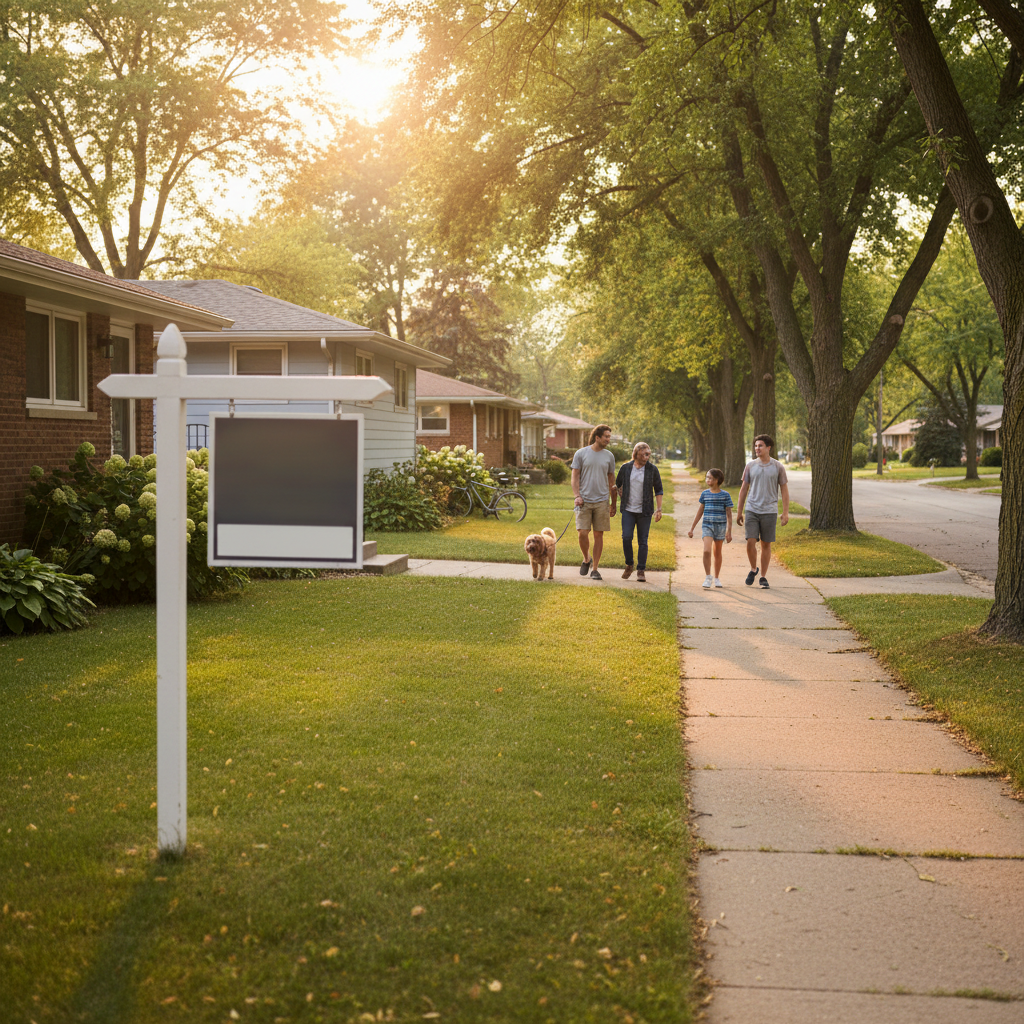
A mortgage rate lock is your lender's commitment to hold a specific interest rate for a specific number of days while your loan is processed.
That is the whole definition. Everything else is detail about the days, the conditions, and what happens when something slips.
It is worth being just as clear about what a rate lock is not. It is not a loan approval. It does not mean you are cleared to close. It does not freeze your monthly payment, because property taxes, homeowners insurance, and changes in your own file all keep moving whether or not your rate is locked. And it is not permanent.
Most buyers meet all of this for the first time in the same week they have to make a decision about it. This is the version to read before that week.
When can you lock a rate?
Generally once you have a specific property and an accepted purchase agreement, because a lock is tied to a particular loan on a particular address. Some lenders offer programs that let you lock earlier, before you have a property under contract, and those come with their own conditions and costs.
The practical sequence for most Twin Cities buyers looks like this. You get preapproved, you shop, you write an offer, the offer is accepted, and then locking becomes a real decision with a real deadline attached to it.
If you have not gotten to the preapproval step yet, that comes first, and it is a different conversation.
How long do rate locks last?
Lock periods commonly run 30, 45, or 60 days. Longer periods exist, particularly for new construction, where a build timeline can stretch well past a normal closing window.
The right length is the one that covers your closing date with a reasonable margin. Not the shortest one available, and not the longest one you can get.
Here is the tradeoff in plain terms. Longer locks generally cost more, because the lender is carrying the risk of rate movement for more days. Shorter locks are cheaper and leave less room if anything slips. Since something does slip fairly often, choosing the shortest possible lock to save a little is how people end up paying for an extension.
Ask your lender for the specific pricing difference between a 30 day and a 45 day lock on your file. That number is knowable, it is different at every lender, and it makes the decision concrete instead of theoretical.
What happens if your closing date moves?
This is the part that catches people, so it deserves its own answer.
If your closing date moves past your lock expiration, the lock expires. What happens next depends on your lender and your loan program, but the usual options are an extension for a fee, or a re-lock at whatever the current market offers, which may be better or worse than what you had.
Closings move for ordinary reasons. An appraisal comes back late. A repair negotiation adds a week. A seller's own purchase falls through. A title issue surfaces. Documentation takes longer than anyone expected. None of that is unusual and none of it is anyone's fault.
The useful move is to ask two questions before you choose a lock length, not during the week the lock is about to expire:
- What would an extension cost, and how is it calculated? - How many days can I extend, and does it have to be done before expiration?
Write down the answers. A buyer who knows the extension cost in advance makes a calm decision. A buyer who finds out on day 44 does not.
What if rates drop after you lock?
Some lenders offer what is often called a float-down option, which allows a locked rate to be adjusted downward if market rates fall by more than a stated amount before closing. Availability, the size of the required move, the timing window, and the cost all vary by lender and by program.
Two things are worth saying plainly here. First, it is a fair question to ask before you lock, and asking it costs nothing. Second, do not assume you have one. A float-down is a specific feature with specific terms, not a general courtesy.
If you lock and rates fall and you have no float-down, you are not stuck forever either. Refinancing later is its own decision with its own costs, and it is worth evaluating on its own merits rather than as a consolation.
Does locking cost anything?
It depends on the lender, the program, and the length. Some lenders build the cost of a standard lock into the rate itself. Others charge separately, particularly for longer periods, extended locks on new construction, or extensions.
Ask for the specifics in writing for your file. General articles, including this one, cannot tell you what your lock costs, and any source that gives you a firm number without seeing your situation is guessing.
How to decide, in two questions
Strip away the mechanics and the decision comes down to this.
How firm is your closing date? A cash-buyer seller who has already moved out and a clean file with no repair negotiation is a very different situation from a contingent closing on new construction. Size the lock to the actual risk, not to the optimistic timeline.
How much movement would actually change your comfort with the payment? Run your own numbers. If a quarter of a percentage point moves your payment by an amount that would genuinely change your decision, you have a low tolerance for drift and locking earlier makes sense. If it would not, you have more flexibility than the headlines suggest.
You can run those scenarios yourself at https://www.chadkruegerlending.com/calculator, or ask me for a clear monthly-payment estimate and I will walk through the numbers with you.
What this looks like in the Twin Cities right now
A little local context, because it affects how you should think about timing.
According to Minneapolis Area Realtors, the Twin Cities metro had 10,897 homes for sale in June 2026, up 5.1 percent from a year earlier, with homes averaging 42 days on market and months supply at 2.8 months. Those are June 2026 figures, published July 16, 2026. Minneapolis Area Realtors publishes a fresh monthly update, so check their market data page for the most recent month before you lean on any of these numbers.
On rates, Freddie Mac's Primary Mortgage Market Survey released August 6, 2026 put the 30-year fixed-rate average at 6.69 percent, up from 6.66 percent the prior week, and the 15-year average at 6.01 percent, down from 6.04 percent. Those are national survey averages for that reference period. They are not a quote, they are not an offer, and your own rate depends on your own file.
What that combination means practically is that buyers have somewhat more time to choose a home than they did in recent years, and that rate movement week to week has been modest rather than dramatic. Neither of those is a reason to hurry, and neither is a reason to wait. They are just the conditions you are deciding in.
Frequently asked questions
What is a mortgage rate lock?
It is your lender's commitment to hold a specific interest rate for a specific number of days while your loan is processed. It applies to a particular loan on a particular property.
When can I lock my rate?
Generally once you have an accepted purchase agreement on a specific address. Some lenders offer earlier lock programs with their own terms and costs.
How long does a rate lock last?
Commonly 30, 45, or 60 days, with longer options available in some cases such as new construction. Choose the length that covers your closing date with room to spare.
What happens if my closing gets delayed and my lock expires?
Typically you either extend the lock for a fee or re-lock at current market terms. Ask what an extension costs and how many days you can add before you choose a lock length.
If rates drop after I lock, am I stuck?
Some lenders offer a float-down option with specific conditions. Ask before you lock rather than after. If you do not have one, refinancing later is a separate decision to evaluate on its own.
Does a rate lock cost anything?
It varies by lender, program, and length. Sometimes it is priced into the rate and sometimes it is a separate charge. Ask for the specifics for your file in writing.
Does a rate lock mean I am approved for the loan?
No. A lock holds a rate. Approval is a separate process based on your full file, and the two are not the same thing.
The next step
If you are shopping this fall in Lakeville, Prior Lake, Edina, or anywhere else in the South Metro, the useful preparation is not watching rates. It is knowing your number, so that when the right house comes up you are deciding about the house.
Ask Chad for a clear monthly-payment estimate. It takes about fifteen minutes and it is built on your actual situation.